Antidepressants
What are antidepressants?
Antidepressants are medications used to treat depression and, in many cases, anxiety-related conditions. They can help reduce symptoms such as persistent low mood, loss of interest, excessive worry, irritability, difficulty concentrating, and changes in sleep or appetite.
How do antidepressants work?
Antidepressants affect brain signaling systems involved in mood, stress, motivation, and emotional regulation. Different medications act on different neurotransmitters, which is why one option may be a better fit than another depending on a person’s symptoms, medical history, and treatment goals.
Common types of antidepressants
SSRIs
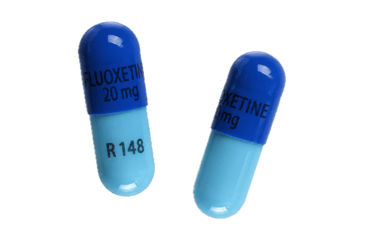
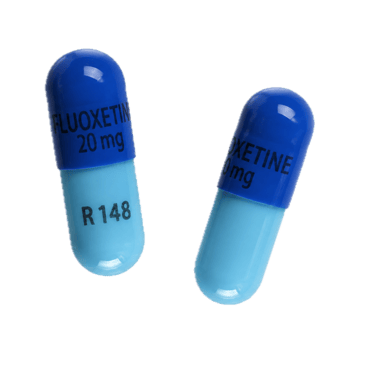
Selective serotonin reuptake inhibitors, or SSRIs, are among the most commonly prescribed antidepressants. They increase the availability of serotonin in the brain and are often used for both depression and anxiety. Examples include sertraline, escitalopram, fluoxetine, and fluvoxamine.
SNRIs
Serotonin-norepinephrine reuptake inhibitors, or SNRIs, affect both serotonin and norepinephrine. They are commonly used for depression and anxiety, and some may also be helpful when physical pain symptoms are part of the clinical picture. Examples include venlafaxine, desvenlafaxine, and duloxetine.
Wellbutrin
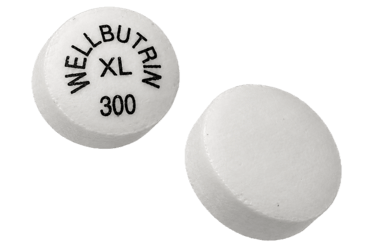
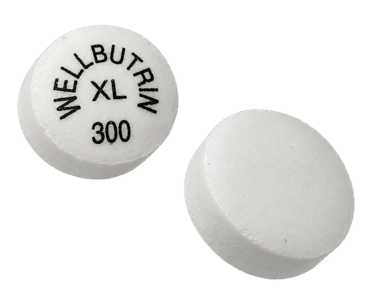
Wellbutrin is the brand name for bupropion, an antidepressant that works differently from SSRIs and SNRIs by acting primarily on norepinephrine and dopamine pathways. It may be considered when low energy, low motivation, or difficulty with concentration are prominent concerns, though the right choice depends on the full clinical picture.